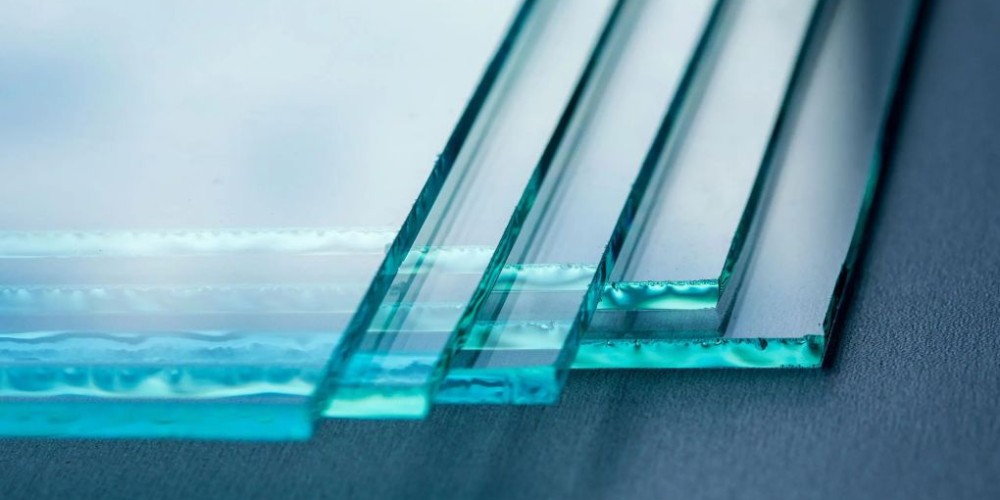
What Is an Insulating Glass Unit and How Do You Choose the Right One?
An insulating glass unit is one of the key components of modern window and door, sliding and façade systems. It affects not only the visual appearance of the structure, but also thermal insulation, sound insulation, safety, solar control and the overall energy efficiency of the building.
For this reason, choosing an insulating glass unit involves more than simply considering glass thickness or the number of cavities. The right solution depends on where the glass unit will be used, what function it needs to perform and the specific technical requirements of the project.
What Is an Insulating Glass Unit?
An insulating glass unit consists of two or more panes of glass assembled into a single sealed unit, with a defined space between the panes. The number of panes, their type and thickness, and the spacing between them all influence the final performance of the insulating glass unit.
Insulating glass units are used in aluminium windows and doors, sliding systems, glass façades and other architectural structures.
Single and Double-Cavity Insulating Glass Units
One of the main differences between insulating glass units is the number of cavities. A single-cavity insulating glass unit consists of two panes of glass with one sealed space between them. A double-cavity unit consists of three panes of glass, creating two internal spaces.
Double-cavity insulating glass units are often used when a project requires higher thermal or acoustic performance. However, the number of cavities alone does not determine which glass unit is better.
The final performance is influenced by the type and thickness of the glass, cavity width, special coatings, gas filling and the overall configuration of the insulating glass unit.
For this reason, a properly specified single-cavity unit may be a more suitable solution for a particular project than simply choosing a unit with more cavities.
Low-E Glass and Thermal Insulation
If energy efficiency is an important requirement for a project, Low-E glass can be incorporated into the insulating glass unit.
Low-E glass has a special low-emissivity coating designed to reduce heat transfer through the glass. This can help reduce heat loss from the building interior and improve the thermal performance of the insulating glass unit.
Low-E glass is particularly important for exterior windows and doors and glass façades, where glass forms a significant part of the building envelope.
However, energy efficiency is not determined by Low-E glass alone. The overall configuration of the insulating glass unit, the aluminium system, thermal barrier, airtightness and quality of installation are also important.
Solar Control Glass
Solar control is an important consideration for buildings with large glass surfaces.
Direct solar radiation can increase indoor temperatures and, consequently, the need for cooling.
Solar control glass is designed to reduce the amount of solar energy entering the building while maintaining natural daylight in accordance with the requirements of the project.
The need for this type of glass depends particularly on façade orientation, the size of the glass surfaces, the building's location and the architectural design.
For this reason, the same type of glass is not always the optimal choice for every façade of a building.
Tempered Glass
Tempered glass undergoes a special heat-treatment process that gives it greater mechanical and thermal resistance than ordinary glass.
If broken, tempered glass fractures into relatively small pieces, helping to reduce the risk of injury in certain applications.
Tempered glass can be used in doors, large glass structures, façade systems and other applications where increased safety or mechanical resistance is required by the project.
Laminated Glass
Laminated glass consists of two or more layers of glass bonded together with a special interlayer.
If the glass breaks, this interlayer helps retain the fragments and reduces the likelihood of them falling freely.
For this reason, laminated glass is often used in structures where safety is particularly important.
Depending on the project, the properties of tempered and laminated glass can also be combined within a single glass configuration.
Acoustic Insulating Glass Units
The acoustic performance of insulating glass units is particularly important for buildings located in noisy environments.
Improving sound insulation does not simply mean using thicker glass. Performance is influenced by the thickness and combination of the individual panes, the space between them, the use of laminated acoustic glass and the overall airtightness of the window, door or façade system.
Acoustic insulating glass units are particularly relevant for residential buildings, hotels and commercial properties located near busy streets, major roads, airports and other sources of noise.
Glass Thickness and Dimensions
Selecting the appropriate glass thickness is directly related to the dimensions of the structure and the loads it must withstand.
For large glass surfaces, factors such as the glass's own weight, wind loads, fixing method, application and safety requirements must be considered.
Simply increasing glass thickness is not always the best solution. Thicker glass is also heavier, placing additional loads on aluminium profiles, mechanisms and other structural components.
For this reason, glass thickness and the complete configuration of the insulating glass unit should be selected according to the technical requirements of the specific structure.
Insulating Glass Units for Aluminium Windows and Doors
In aluminium window and door systems, the profile and insulating glass unit should not be selected independently of each other.
Each aluminium system has technical limitations and requirements regarding suitable glass thicknesses, weights and dimensions. For exterior windows and doors, the system's thermal insulation, airtightness, watertightness and resistance to wind loads must also be considered.
If a project requires high energy efficiency, a thermally broken aluminium profile should work together with an appropriately specified insulating glass unit.
Insulating Glass Units for Sliding Systems
Modern sliding systems often incorporate large glass surfaces, making the weight and technical characteristics of the insulating glass unit particularly important.
The weight of large glass panels directly affects the selection of the aluminium profile and sliding mechanism. For exterior sliding systems, thermal insulation, solar control, safety, airtightness and wind loads must also be taken into account.
Therefore, for large sliding doors, the glass, profile and mechanism should be selected as parts of a single technical solution.
Insulating Glass Units for Façade Systems
In glass façades, insulating glass units form an important part of the building envelope, and their characteristics directly affect both the appearance and technical performance of the building.
When selecting an insulating glass unit for a façade, factors such as glass dimensions, wind loads, safety, thermal insulation, solar control, façade orientation and the requirements of the specific façade system must be considered.
For buildings with large glass surfaces, it is particularly important to evaluate the visual and technical characteristics of the glass together.
How Do You Choose the Right Insulating Glass Unit?
Before selecting an insulating glass unit, the first step is to determine where it will be used and what type of structure it will form part of.
Several key factors should then be considered: What level of thermal insulation is required? How important is solar control? Are there specific sound-insulation requirements? What will the dimensions of the glass be? What loads must it withstand? Is safety glass required? And which aluminium window and door, sliding or façade system must it be compatible with?
Only after evaluating these factors should the number of panes, glass types and thicknesses, cavity widths, special coatings and other characteristics of the insulating glass unit be determined.
The Insulating Glass Unit as Part of a Complete System
The quality of an insulating glass unit is not determined solely by the type of glass used or the number of cavities.
The final performance depends on the combination of the glass type, insulating glass unit configuration, aluminium profile system, technical details, airtightness and installation.
For each project, we select the appropriate glass type and insulating glass unit configuration according to the requirements of the aluminium window and door, sliding or façade system, and develop the corresponding technical solutions.
A properly selected insulating glass unit should meet not only the architectural concept of the building, but also its thermal insulation, solar control, acoustic, safety and operational requirements.
- Share


Similar news


Our
customers
Hear from our customers about their experiences


What sets Luminor apart is their ability to offer solutions and empower you, despite the challenges.”


FAQ
You can find answers to the most frequently asked questions easily and in detail here.
We are a company specializing in the production and installation of architecturally sophisticated aluminum facades, doors, windows, railings and roofing systems. Our own factory, experienced engineering and installation team allow us to turn projects of various scales and complexity into reality.
For each project, we individually develop technical components and select appropriate systems and materials. Based on the specifics of the project, we manufacture the necessary structures in our own factory, and our team ensures their delivery and professional installation.
Yes. It is possible to use both the full service and purchase individual products and materials without installation services.
Yes, our own specialized team ensures professional installation of all structures.