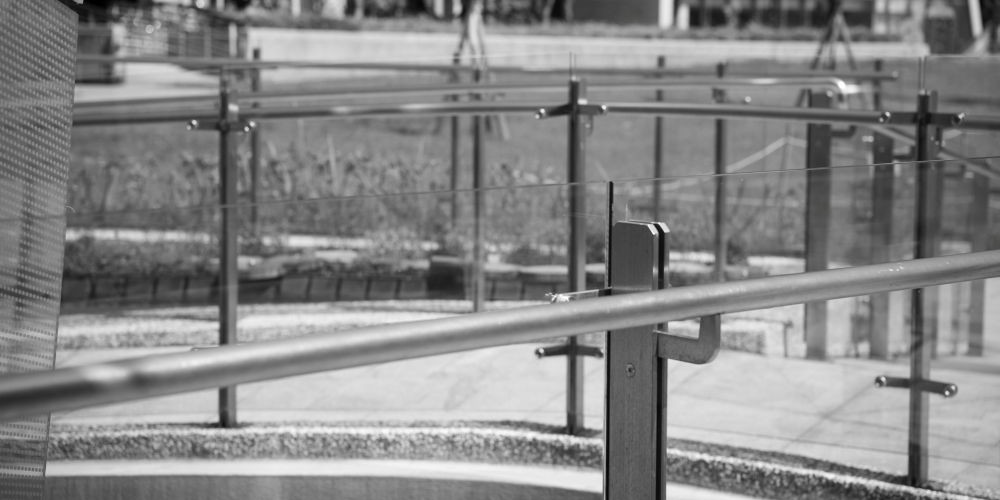
Glass Railings — Glass Types, Safety and System Selection
Glass railings↗ are widely used in modern architecture on balconies, terraces, staircases and other spaces where, alongside ensuring safety, it is important to maintain a sense of openness and integrate the railing with the architectural appearance of the building.
When selecting a glass railing, considering only its visual appearance is not enough. The type and thickness of the glass, the structural railing system, fixing method, loads, application area and the specific safety requirements of the project are all important. For this reason, a glass railing should be considered as a complete system in which the glass, aluminium profiles, fixing elements and installation must work together correctly.
See ongoing and finished projects↗
Where Are Glass Railings Used?
Glass railings can be used in residential, hospitality, commercial, office and public buildings.
They are most commonly found on balconies, terraces, staircases, internal galleries and other areas where a railing forms an important part of the safety of the space. The technical requirements of the system also vary depending on where it is used. For example, an external balcony railing on a multi-storey building and an internal staircase railing are subject to different loads, conditions of use and environmental factors.
Therefore, using the same type of glass and fixing system for every project is not the right approach.
What Type of Glass Is Used in Glass Railings?
In a railing system, glass is not only a visual element; depending on the type of system, it may also have an important structural and safety function. For this reason, the type of glass should be selected according to the requirements of the specific project.
Tempered glass
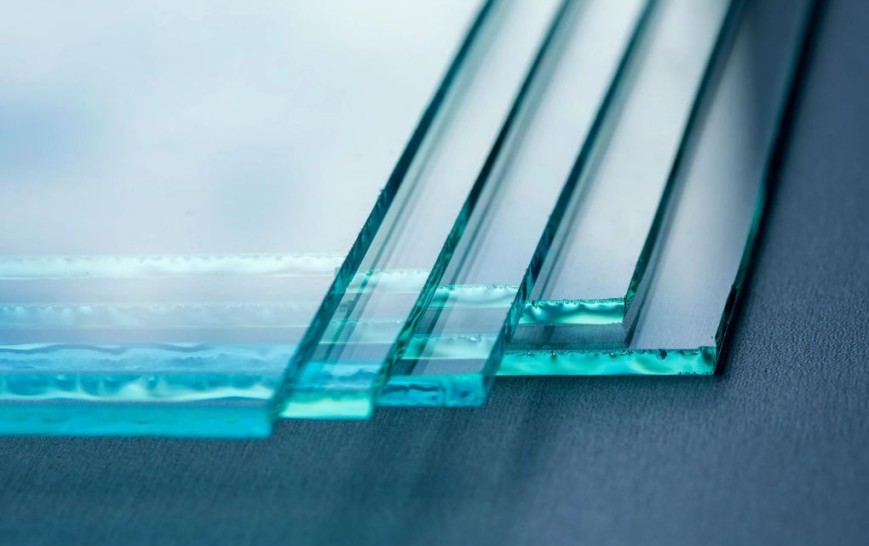
Tempered glass↗ undergoes a special heat-treatment process that gives it greater mechanical and thermal resistance compared with ordinary glass.
If broken, it fragments into relatively small pieces, which can help reduce the risk of injury in certain applications. Due to its characteristics, tempered glass is widely used in various architectural systems. However, whether tempered glass alone is suitable for a railing should always be assessed according to the specific system and project requirements.
Laminated glass
Laminated glass↗ consists of two or more layers of glass bonded together by a special interlayer.
One of its main advantages is its ability to retain glass fragments after breakage. The interlayer helps hold the fragments in place and reduces the risk of them falling freely. This characteristic is particularly important in railing applications, where maintaining a certain level of safety even after glass breakage may be critical.
Glass thickness - Selecting the appropriate glass thickness for a glass railing is not merely an aesthetic consideration.
The required thickness depends on the dimensions of the glass, railing height, fixing method, expected loads, application area and other technical parameters of the system. This is particularly important in frameless systems or systems with minimal profiles, where the glass plays the most important role in the safety of the system.
Simply increasing the glass thickness is not always the correct solution either. Thicker glass is heavier, which consequently increases the loads on the profiles, fixing elements and the relevant building structure. Therefore, glass thickness should be determined according to engineering requirements.
Main Types of Glass Railing Systems
Glass railings can be designed using different structural solutions. The choice of system depends on the desired visual result, application area, loads and technical requirements of the project.
Glass railing fixed in an aluminium profile - In this type of system, the glass is secured within a dedicated aluminium profile.
The profile can be surface-mounted or, depending on the project solution, integrated into the corresponding structure. One of the main visual advantages of this type of system is the possibility of creating a broad, continuous glass surface.
In this case, the aluminium profile is an important structural component of the system and should be selected according to the dimensions and thickness of the glass and the expected loads.
Point-fixed glass railing (spider system) - With point fixing, the glass is secured using appropriate fixing elements, allowing for a relatively lightweight and minimalist visual appearance.
With this type of solution, correct glass processing, the positioning of the fixings, the accuracy of the holes and the engineering calculations of the complete system are particularly important.
Get to known to spider railing systems↗
Railing with an aluminium frame - Glass can also be combined with a more prominent aluminium structure.
In these systems, vertical and horizontal aluminium elements form both a visual and structural part of the railing, with the glass integrated between them. This solution can be used on balconies and terraces, as well as on staircases and in other spaces.
Glass Railings for Balconies - A balcony railing is an important part of a building's façade and directly contributes to both its visual appearance and safety.
For glass railings installed in exterior conditions, wind loads, temperature variations, moisture, railing height, glass dimensions and building height must all be considered.
These factors are particularly important in multi-storey buildings, as wind exposure may change with increasing height. Therefore, selecting a glass balcony railing should not be limited to simply choosing a preferred design from a catalogue.
Glass Railing or Aluminium Railing?
Glass and aluminium railings create different architectural results, and each solution has its own areas of application.
A glass railing is particularly effective when maintaining the view, creating visual lightness and achieving a contemporary architectural appearance are important to the project. An aluminium railing, on the other hand, can become a more prominent architectural element and allows the use of different profiles, forms and designs.
Combined systems are also available, where glass and aluminium elements are integrated within a single structure.
The right choice depends not only on visual preference but also on the application area, the architecture of the project and its technical requirements.
Safety — The Main Criteria
The primary function of a railing is safety, so when selecting a system, its visual appearance should always be evaluated together with its technical requirements.
Railing height, glass type and thickness, the fixing system, horizontal loads, wind exposure in exterior applications and relevant construction requirements must all be considered. Compatibility between all components of the system is equally important. Using high-quality glass cannot ensure the correct result if the profile, fixing elements or installation method are not designed for the specific loads.
Fixing System and Building Structure
The reliability of a glass railing depends not only on the railing system itself but also on the structure to which it is fixed.
The aluminium profile or other fixing elements ultimately transfer the loads to the relevant building structure. It is therefore important to assess the fixing location and its capabilities in advance.
This is particularly important at balcony edges, terraces, staircases and other areas where the available fixing space or structural conditions may be limited.
The correct technical solution should consider both the railing system and its connection to the building from the design stage.
What Should Be Considered When Selecting a Glass Railing?
Before selecting a glass railing system, its application area and function should first be determined.
Several key factors should then be assessed: whether the railing will be installed indoors or outdoors; at what height it will be located within the building; what dimensions of glass elements will be used; what loads the system must withstand; what type of glass is required; how it will be fixed; and how the railing will connect to the building's main structure.
Once these factors have been evaluated together, the appropriate glass, aluminium profile and fixing system can be selected.
The Importance of Installation
A correctly selected system is only one part of the project. The quality of installation also has a significant impact on the final result.
Correct positioning of the profiles and fixing elements, precise positioning of the glass, proper execution of fixing details and final adjustment of the system are essential to ensure that the railing performs the function defined by the project.
Particularly in the case of large glass elements, it is also important to plan the transportation, lifting and on-site installation processes in advance.
Glass Railing as a Complete System
The quality of a glass railing is not determined solely by the thickness of the glass or its visual appearance.
The final result is influenced collectively by the type of glass, aluminium profile, fixing elements, engineering solution, connection to the building structure and quality of installation.
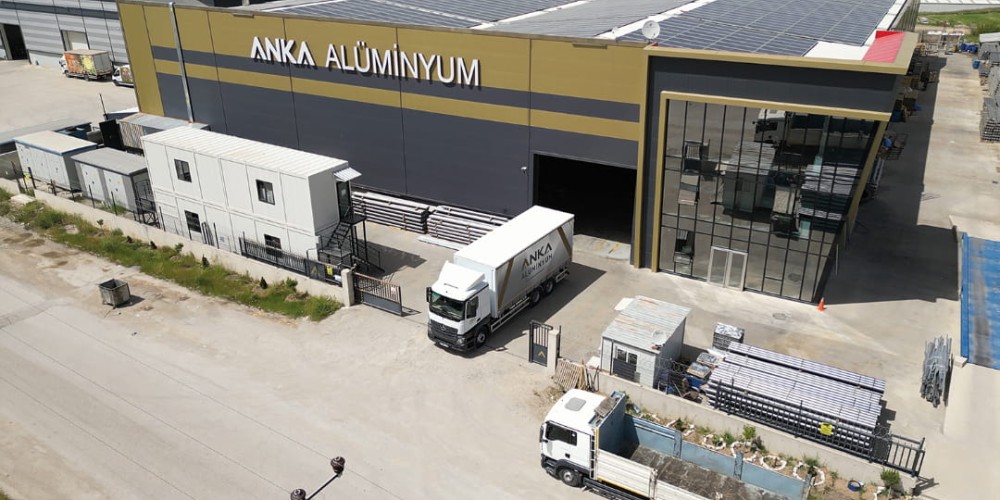
For each project↗, we assess the architectural and technical requirements, work with you to select the appropriate glass and aluminium systems, develop the necessary technical solutions, fabricate the structures in our own facility, and carry out their installation with our own team.
A properly selected glass railing system should combine safety, durability and functionality with a visual solution that complements the architecture of the building.
- Share


Similar news
Our
customers
Hear from our customers about their experiences


What sets Luminor apart is their ability to offer solutions and empower you, despite the challenges.”


FAQ
You can find answers to the most frequently asked questions easily and in detail here.
We are a company specializing in the production and installation of architecturally sophisticated aluminum facades, doors, windows, railings and roofing systems. Our own factory, experienced engineering and installation team allow us to turn projects of various scales and complexity into reality.
For each project, we individually develop technical components and select appropriate systems and materials. Based on the specifics of the project, we manufacture the necessary structures in our own factory, and our team ensures their delivery and professional installation.
Yes. It is possible to use both the full service and purchase individual products and materials without installation services.
Yes, our own specialized team ensures professional installation of all structures.